Conservation Framing: What Is Protecting The Art?
When people think about custom framing, the first thing they usually notice is the design: the frame style, the mat color, or how the finished piece looks on the wall. But behind every well-framed piece is another layer of consideration—how the artwork will hold up over time.
That’s where conservation framing comes in.
Conservation framing focuses on protecting artwork, photographs, and documents from deterioration while still presenting them beautifully. It uses carefully selected materials and techniques designed to minimize damage caused by light, acidity, environmental changes, and physical stress. At Walter Adams Framing, conservation and archival framing are central to the custom framing process, ensuring that each piece is preserved as thoughtfully as it is displayed.
Whether the item being framed is a valuable work of art, a family photograph, or a meaningful document, conservation framing helps ensure it can be enjoyed not just today, but for generations to come.
Why Conservation Framing Matters
Artwork and paper-based materials are surprisingly fragile. Even when displayed indoors, they are constantly exposed to environmental factors that can cause gradual deterioration.
Ultraviolet light can fade pigments and inks. Acids present in standard framing materials can cause paper to yellow and become brittle. Humidity and temperature fluctuations can lead to warping, mold growth, or adhesive breakdown. Over time, these effects accumulate—and the damage is often irreversible.
Conservation framing addresses these risks by creating a protective environment around the artwork. The goal is not only to make a piece look finished, but also to reduce long-term stress on the materials that make up the artwork itself.
Museums rely on the same principles to preserve works in their collections. When applied to residential or commercial framing, these techniques allow personal pieces—photographs, prints, heirlooms, and memorabilia—to receive the same level of thoughtful protection.
Acid-Free and Archival Materials
Many people are familiar with the term “acid-free,” particularly when it comes to matboard. While this is an important starting point, conservation framing involves much more than a single material choice.
Paper naturally contains acids that break down fibers over time. If artwork comes into contact with acidic materials—such as low-grade matboard, cardboard backing, or certain adhesives—those acids can migrate into the artwork itself, accelerating deterioration.

Conservation framing avoids this issue by using archival-quality materials throughout the framing package. This includes naturally acid-free cotton rag matboards, acid free or pH buffered backing boards, and mounting materials that are designed to remain chemically stable over time.
These materials help ensure that the framing components surrounding the artwork do not contribute to its aging process.
UV-Protective Glazing
Light is one of the most significant threats to artwork. Ultraviolet radiation will fade pigments, discolor paper, and weaken fibers—even when exposure happens gradually over many years.
Modern conservation framing addresses this by incorporating specialized glazing. Conservation-grade glass and acrylic are designed to block the majority of harmful UV rays while maintaining clarity and visibility.
At Walter Adams Framing, we only offer glazing options that filter up to 99 percent of ultraviolet light, helping to minimize fading and yellowing of paper-based artwork. Even with conservation glass, we always recommend to never have your artwork displayed in direct sunlight.
For clients seeking the highest level of visual clarity, museum glass options can also reduce glare and reflection while maintaining the same level of UV protection.
Proper Spacing and Matting
Matting plays both an aesthetic and protective role in conservation framing.
One of its most important functions is creating space between the artwork and the glazing. If glass or acrylic sits directly against the surface of the artwork, condensation or pressure can cause sticking, transfer of inks or pigments, and long-term damage.
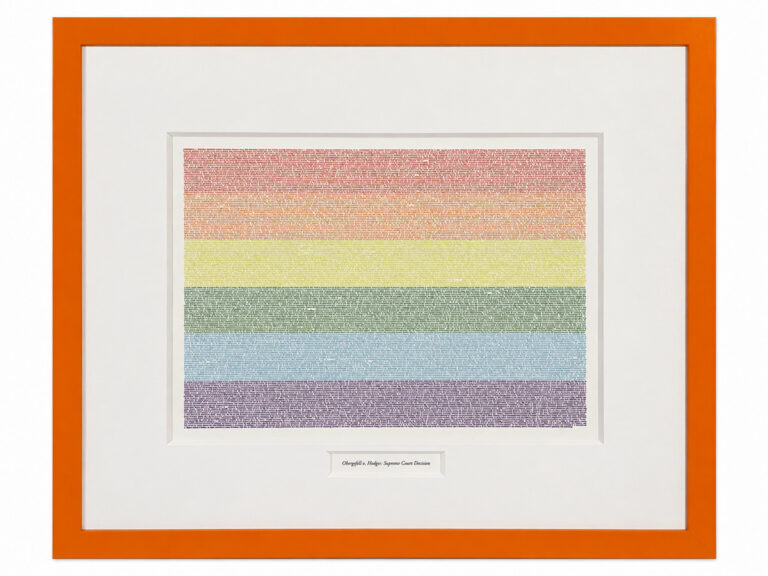
A properly designed mat—or other spacer system—keeps the artwork safely separated from the glazing while enhancing the presentation of the piece. Mats can also help direct the viewer’s eye toward the artwork, creating a visual border that adds depth and focus.
Beyond standard mats, conservation framing may incorporate float mounting or layered matboards depending on the needs of the piece.
Reversible Mounting Techniques
Another key principle of conservation framing is reversibility.
Whenever possible, artwork should be mounted in a way that allows it to be removed in the future without damage. This is especially important for valuable prints, historical documents, or sentimental items that may require restoration or reframing later on.
Conservation framers use techniques such as archival hinges made from Japanese paper and conservation adhesives. These methods hold the artwork securely while avoiding permanent attachment to backing boards. For textiles, we sew down each piece so that no adhesives are used to secure the art. For removing the textile in the future, if desired, the stitches are removed and the textile is freed from the mounting board.
Sealed Framing Packages
Environmental factors such as dust, insects, and humidity can slowly affect artwork if the framing package is left open.
Conservation framing often includes sealing the back of the frame package to reduce these risks. Our custom framing experts ensure that completed framing packages are sealed to help protect against environmental changes, dirt, and pests.
While no framing solution can completely isolate artwork from its surroundings, this extra step helps create a more stable microenvironment within the frame.
Matching the Technique to the Artwork
Not every piece requires the same level of conservation framing. A contemporary poster may have different preservation needs than a rare print, a textile, or a signed document.
That’s why our professional custom framers evaluate each project individually. Factors such as the material of the artwork, its age, its value, and how it will be displayed all influence the framing approach.
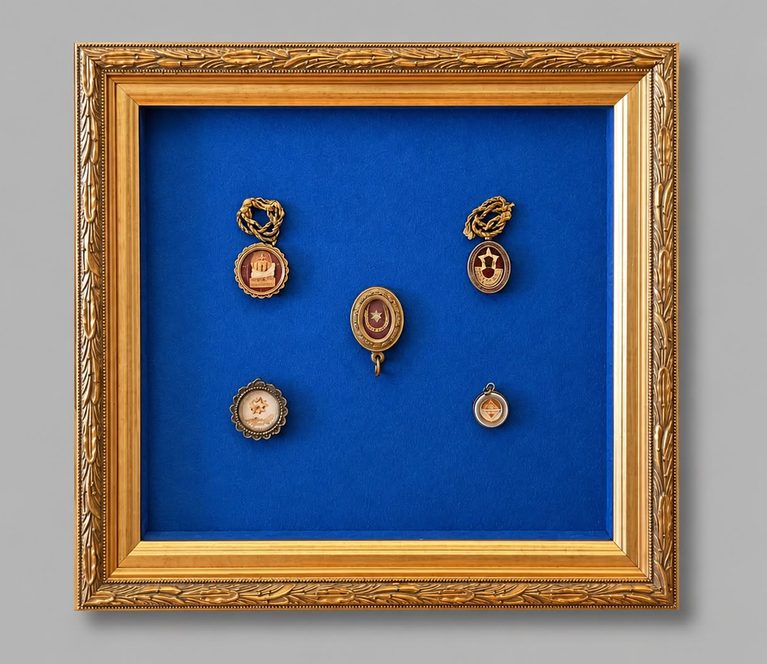
For particularly delicate items—such as textiles, memorabilia, or three-dimensional objects—specialized solutions like shadow boxes or custom mounting systems may be used to provide both protection and structural support.

Framing with the Future in Mind
Great framing does more than complement the artwork visually. It also helps ensure that the artwork remains intact, vibrant, and stable over time.
Conservation framing is ultimately about respecting the object inside the frame. By combining thoughtful design with archival materials and proven preservation techniques, custom framing becomes part of the story of the artwork itself—quietly doing its job year after year so the piece can continue to be lived with, remembered, and passed along.